

The Season of Sea Lion Pupping in the Galapagos Begins!

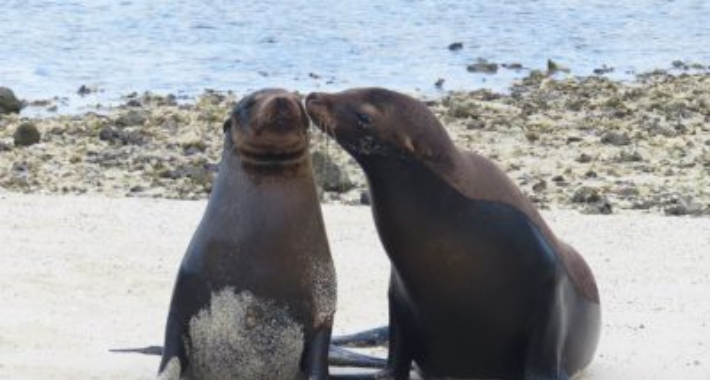
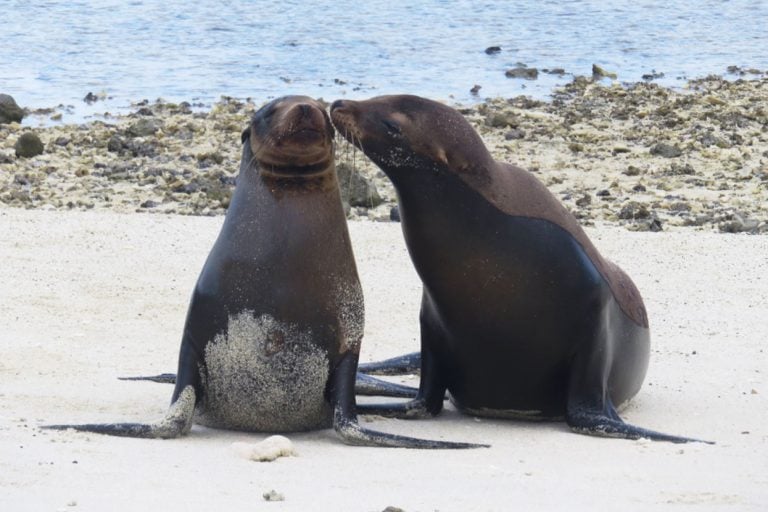
August is among us and in the Galapagos, the wildlife never stops. This is the case with the year-round sightings of Galapagos sea lions around the archipelago. Certainly one of the most picturesque creatures in the archipelago, this member of our Galapagos Big15 list of iconic species is also a clear favorite with residents and tourists alike. The winner for prettiest animal in the Galapagos, though, has to be the pups of the Galapagos sea lion. They will win your heart and take up much of your Galapagos picture album with their tiny, fuzzy bodies, large, innocent eyes, and joyful personalities. Continue reading to discover more about this stunning mammal during the mating season before joining the enchanted La Pinta Yacht. And when you come upon one, try not to melt. We can’t, however, promise that you won’t.
Puppies and moms
Join Yacht La Pinta to enjoy the one-of-a-kind sea lion pupping season!
Ahead of your Galapagos excursion, get ready!
The puppy will nurse its mother for the first week following its birth. The pup will soon be left on the beach by its mother so it may go into the water and find food. distinct animal species have distinct methods for identifying their young, even when they seem a lot alike. Blue-footed boobies, for instance, build a boundary around their nest that serves as a means of identification for parents. When it comes to sea lions, moms emit a unique bark that the young can identify. Until the mother and the child locate each other, puppies often respond in kind. But until the infant has scented it and verified that it belongs to her, the mother won’t feed it.
Throughout their first year of life, puppies are still reliant on their moms.
Season of Sea Lion
Pupping Season for Galapagos Sea Lions Begins During Dry Season
The dry season’s colder currents and cleaner air flood the waterways with life and nutrients, and many species find it ideal to mate and feed on the abundance of available food. A excess of food results in stronger puppies and more fruitful lactation. Although sea lion pups are born throughout the year, August, September, and even October—the driest months of the year—see sea lion activity.
Avoid petting it!
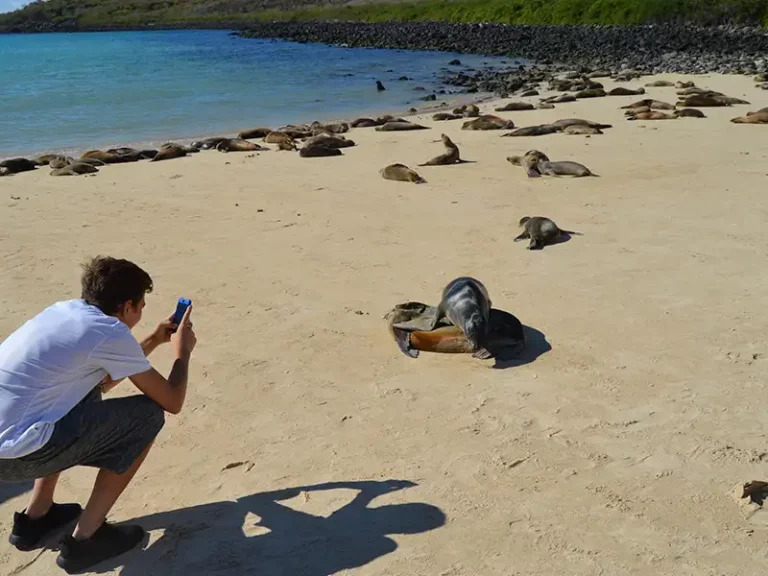
Despite their extreme cuteness, Galapagos sea lion pups require careful handling; avoid touching or petting them. Not only is it against the policies of the Galapagos National Park, but it may be harmful to the unborn child. Regulations issued by the National Park prohibit touching any animals in the Galapagos. Regardless of how acclimatized the Galapagos wildlife is to human presence, this not only helps prevent tourists from being injured by an anxious or fearful animal, but it also keeps the species as undisturbed as possible. When a human touches a sea lion pup, its mother can detect the human scent and will reject the pup right away, leaving it to perish. Therefore, keep in mind to just snap a photo of any adorable baby sea lion you come across throughout your travels and bring it back to the boat.
¿Postponed… How come?
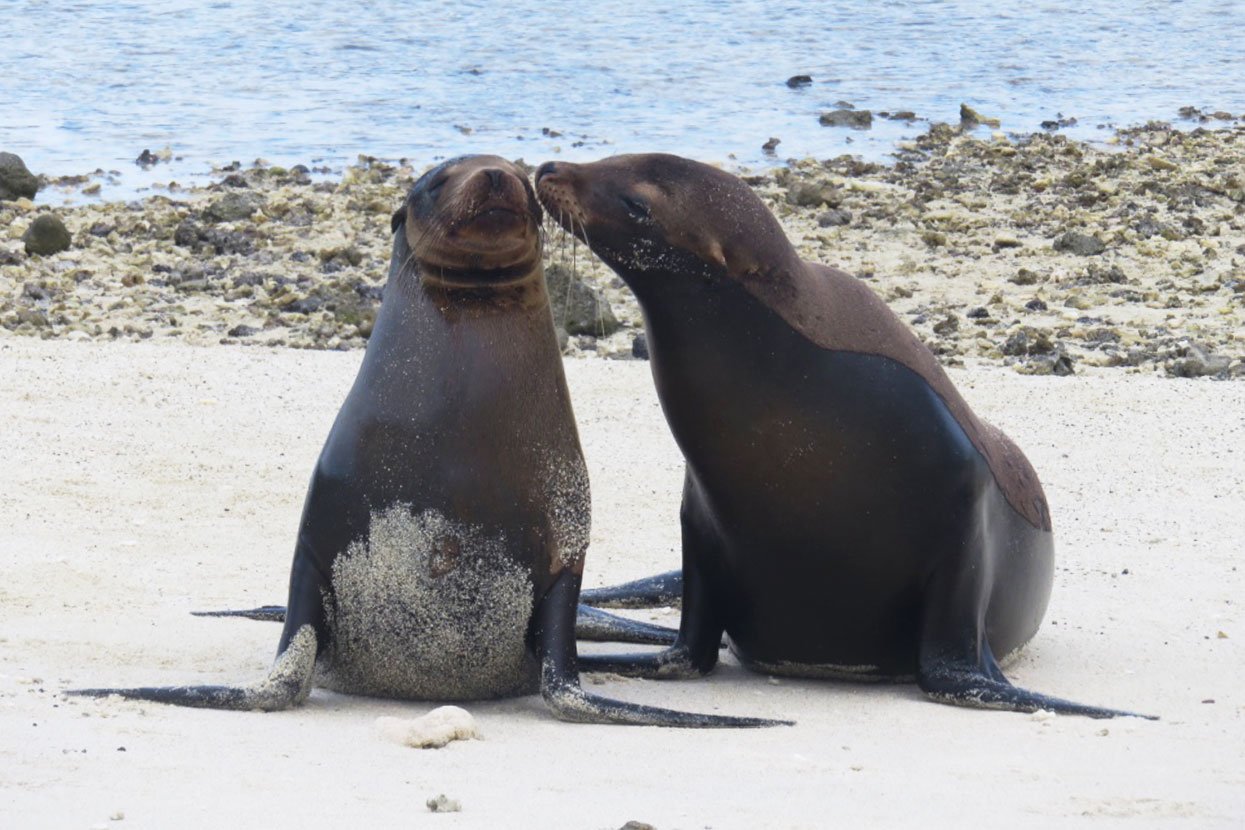
The amazing capacity of Galapagos sea lions to become pregnant as quickly as possible after giving birth—sometimes within a week or two—is well documented. Due to the nine-month gestation period, the next pup of a sea lion would likely be born in May, during the hottest part of the year and when food is more in short supply. Due of the awkward timing of this delivery, a process known as delayed implantation occurs. This indicates that the fertilized egg does not mature and instead floats around its mother’s uterus for up to three months. Upon implantation, the egg proceeds through normal development in the uterine wall.
RELATED STORIES
What are the best birds to see in the Galapagos?

Six Stunning Ways Galapagos Island Animal Mothers Nurture Their Young

Guy Fawkes on the Galapagos Islands: Never forget the November “Finch”…

A Unique 6-Day Insular Inspiration Session with Charles Darwin on Santiago Island!

Just now, this arrived! On Fernandina Island, the La Cumbre Volcano is now erupting!